
Boasting an impressive growth rate of 4.5% annually, the industrial tools and assembly solutions sector is a rapidly advancing field that plays a crucial role in enhancing productivity across various industries.
The drive towards efficiency and precision has led to significant investments in technological innovations, transforming traditional methods into more sophisticated and automated processes.
With the increasing demand for superior quality and sustainable practices, companies are compelled to continuously upgrade their tools and solutions to maintain a competitive edge. These advancements aim to:
- Streamline operations
- Reduce human error
- Lower operational costs
Upgrading industrial tools is no longer a mere option; it is a strategic imperative.
As industries evolve, understanding the latest developments in this sector becomes essential for stakeholders who are responsible for steering organizational growth and ensuring adherence to evolving industry standards.
The following article explores key strategies in upgrading industrial tools effectively.
One of the leading companies at the forefront of these innovations is Atlas Copco, renowned for its cutting-edge solutions that consistently set new benchmarks in the industry.
Evaluating Current Tool Performance
To effectively upgrade industrial tools, it’s crucial to assess their current performance by analyzing metrics such as efficiency, precision, and reliability. This evaluation provides a foundation for understanding how tools are currently functioning and where innovative technologies may be applied to enhance operations.
A comprehensive analysis of tool performance ensures that the selection of new technologies aligns with the specific needs of the industry, promoting a sense of community through shared objectives and standards.
Advancements in automation solutions have significantly impacted the landscape of industrial tools. By integrating these solutions, businesses can achieve higher levels of precision and efficiency, thereby improving overall reliability.
Automation not only optimizes tool performance but also reduces the likelihood of human error, fostering a safer and more cohesive working environment.
As industries continue to evolve, staying abreast of the latest technological innovations becomes essential. This proactive approach not only strengthens operational capabilities but also reinforces a collective ambition towards excellence and progression in the industrial sector.
Identifying Areas for Improvement
Pinpointing Weaknesses in Tools
Pinpointing specific weaknesses in existing tools enables industries to strategically target areas where enhancements can yield significant operational benefits.
Assessing Tool Performance
Assessing tool performance involves a meticulous analysis of:
- Functionality
- Efficiency
- Reliability within current processes
Identifying Areas for Improvement
Identifying areas for improvement often centers on the integration of innovative technologies and automation solutions, which can:
- Enhance productivity
- Reduce operational costs
Focus Areas for Industries
Industries must focus on areas where tool performance falls short of expectations, creating opportunities for improvement. Factors to examine include:
- Downtime
- Maintenance frequency
- Energy consumption
Opportunities Through Automation
Automation solutions present unique opportunities to streamline operations, allowing for:
- Increased output
- Consistent quality
Collaborative Efforts Across Departments
Collaborative efforts across departments foster a sense of belonging and encourage the sharing of insights and expertise. This collaboration further enhances the identification and rectification of weaknesses.
Ensuring Resilience and Competitiveness
By concentrating on these critical areas, industries can position themselves at the forefront of technological advancement, ensuring resilience and competitiveness in an ever-evolving market landscape.
Researching Innovative Technologies
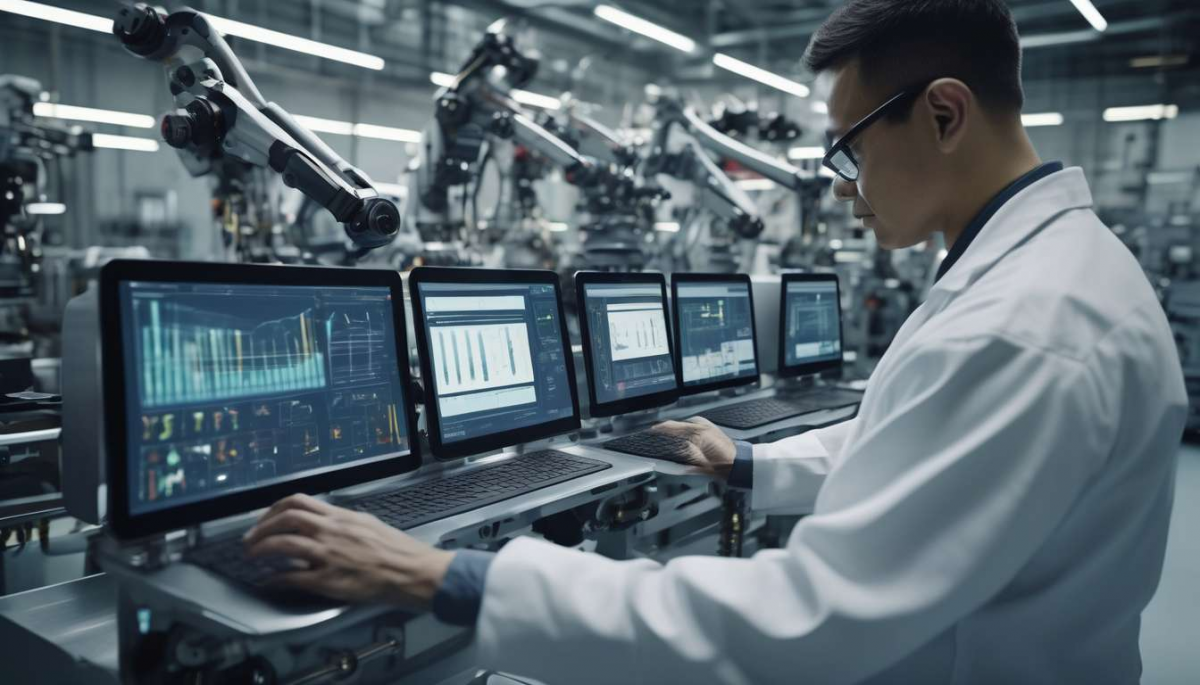
Industries are actively exploring cutting-edge technologies to revolutionize their operations and maintain a competitive edge. The focus on enhancing tool performance through innovative technologies is paramount.
This pursuit involves examining advancements in:
- Materials
- Design
- Functionality
These advancements optimize the efficiency and effectiveness of industrial tools, leading to:
- Improved durability
- Enhanced precision
- Greater versatility
Such innovations foster an environment where businesses can thrive.
Moreover, the integration of automation solutions with these technologies offers transformative potential. By researching and adopting new technologies, industries can ensure their tools are equipped to handle the complexities of modern production demands.
This integration contributes to:
- Increased productivity
- Sustainable practices
- Cost-effectiveness
The collaborative efforts within the industrial community to share insights and experiences foster a sense of belonging and mutual growth. Keeping abreast of technological advancements is essential for industries seeking to remain at the forefront of their respective fields, ensuring they are well-prepared to meet future challenges.
Implementing Automation Solutions
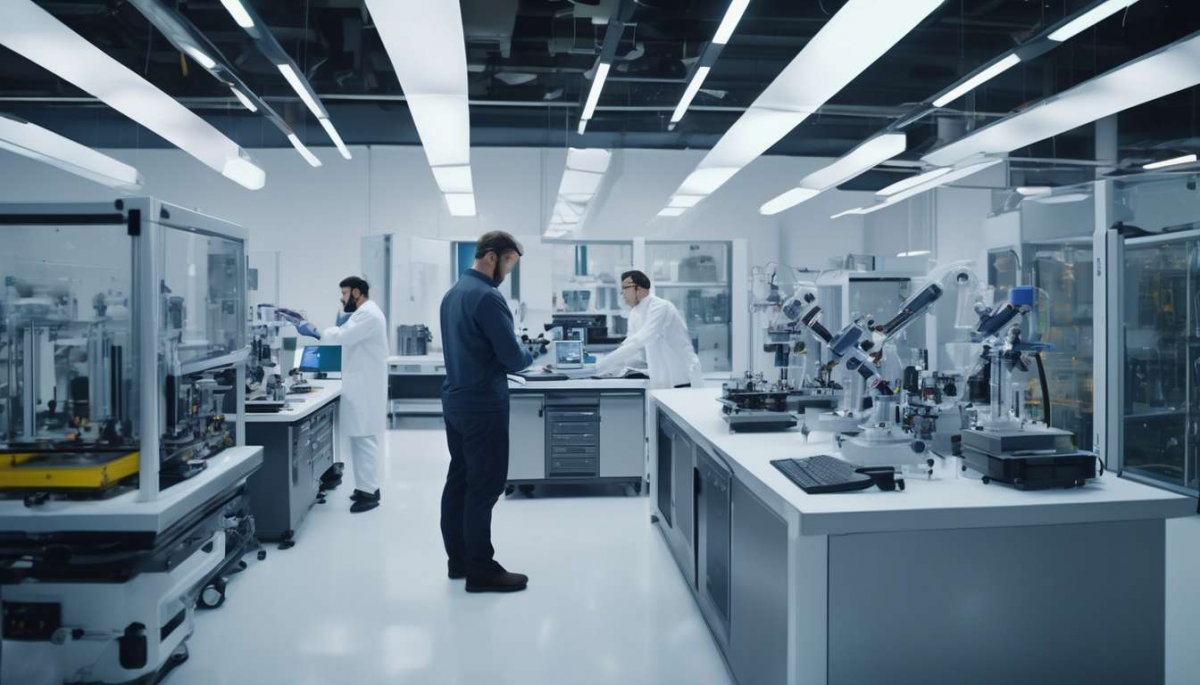
Industries are rapidly adopting automation solutions to streamline operations and enhance productivity across various sectors. The integration of innovative technologies into manufacturing and assembly processes has become crucial for maintaining competitiveness.
Automation solutions offer numerous advantages by optimizing tool performance and reducing the likelihood of human error. These solutions enable industries to meet the demands for higher efficiency and precision, fostering a sense of community among businesses striving for excellence.
The implementation of automation solutions involves:
- Leveraging advanced systems that can seamlessly integrate with existing infrastructure.
- Boosting tool performance.
- Enhancing overall operational efficiency.
By adopting such cutting-edge technologies, industries can reduce downtime, increase output, and maintain consistent quality. The collective pursuit of these advancements strengthens the industrial community’s commitment to progress.
Moreover, automation solutions contribute to sustainable practices by minimizing waste and energy consumption. As industries continue to evolve, the adoption of innovative technologies remains a pivotal step toward achieving long-term success and fostering a collaborative environment.
Training Employees on New Tools
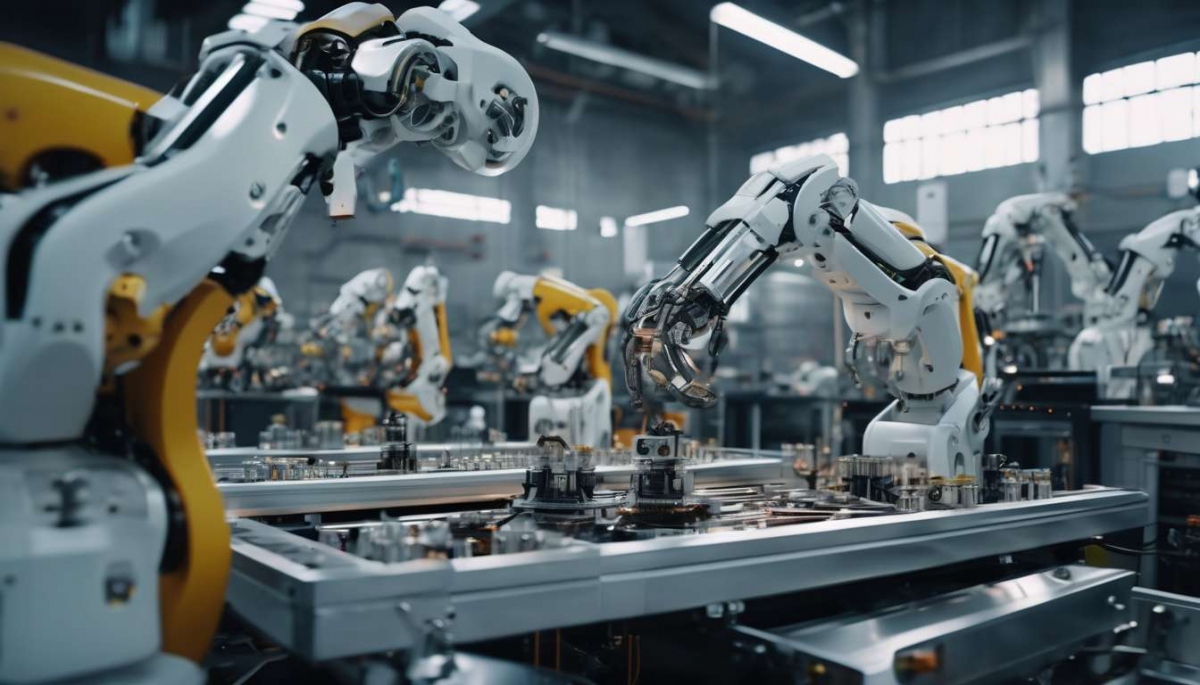
Effectively training employees on new tools is essential for maximizing the benefits of upgraded industrial solutions. Comprehensive training programs ensure that personnel is adept at utilizing innovative technologies and automation solutions, thereby enhancing tool performance.
A well-structured training plan fosters a sense of community among employees, as they collectively engage in learning and skill development. This collaborative environment not only improves individual competencies but also strengthens team cohesion, which is vital for seamless operations.
Training should focus on:
- Practical, hands-on experience to familiarize employees with the functionality and nuances of new tools.
- Emphasizing the integration of automation solutions within existing workflows to lead to more efficient processes and reduced operational errors.
Incorporating feedback mechanisms allows employees to share insights and challenges, promoting continuous improvement and adaptation.
By investing in thorough training, organizations empower their workforce, ultimately driving productivity and ensuring the successful implementation of advanced technologies. This creates a workplace culture where employees feel valued and integral to the company’s growth.

Monitoring Progress and Adjusting Strategies
Regularly monitoring progress and adjusting strategies ensures that the integration of new tools and assembly solutions aligns with organizational goals and operational efficiency.
Evaluating tool performance provides valuable insights into the effectiveness of innovative technologies and automation solutions. Implementing systematic tracking methods fosters a culture of continuous improvement, encouraging collaboration among team members who share a common goal of enhancing productivity and quality.
Utilizing metrics to assess tool performance helps identify areas where adjustments may be necessary, allowing for timely interventions.
- Embracing innovative technologies ensures that the organization remains competitive by leveraging cutting-edge advancements.
- Automation solutions, when monitored effectively, can streamline processes and reduce manual errors, enhancing overall operational efficiency.
Adjusting strategies in response to performance data creates an agile environment, capable of adapting to evolving industry standards and customer demands.
This process not only supports the achievement of strategic objectives but also strengthens the sense of community within the organization, as employees work collectively towards shared success.